
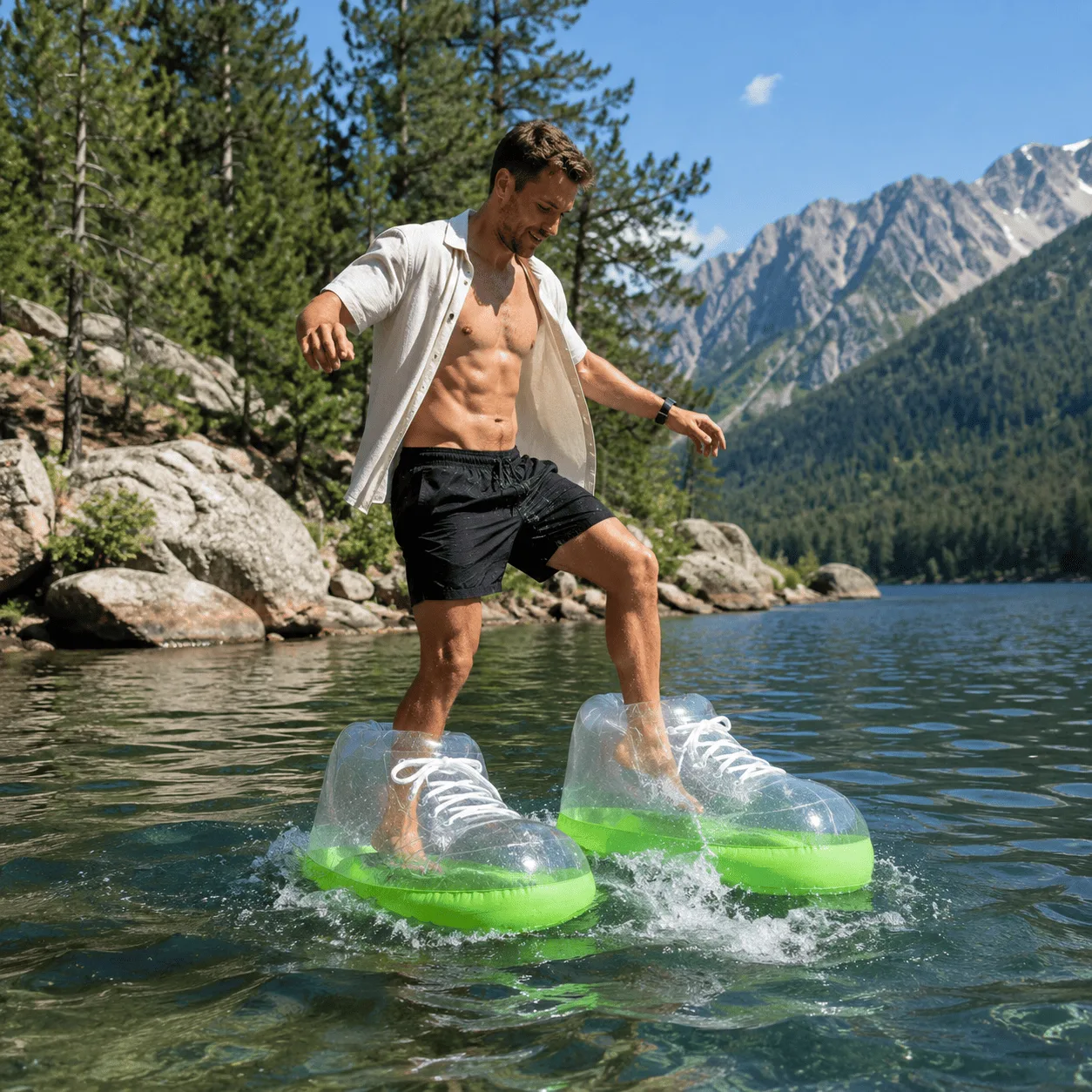
Inflatable Water Shoes are innovative footwear designed for aquatic activities, offering comfort and support in various water conditions. They are lightweight, easy to pack, and provide the perfect solution for both leisure and adventurous outings involving water.
History and Evolution of Inflatable Water Shoes
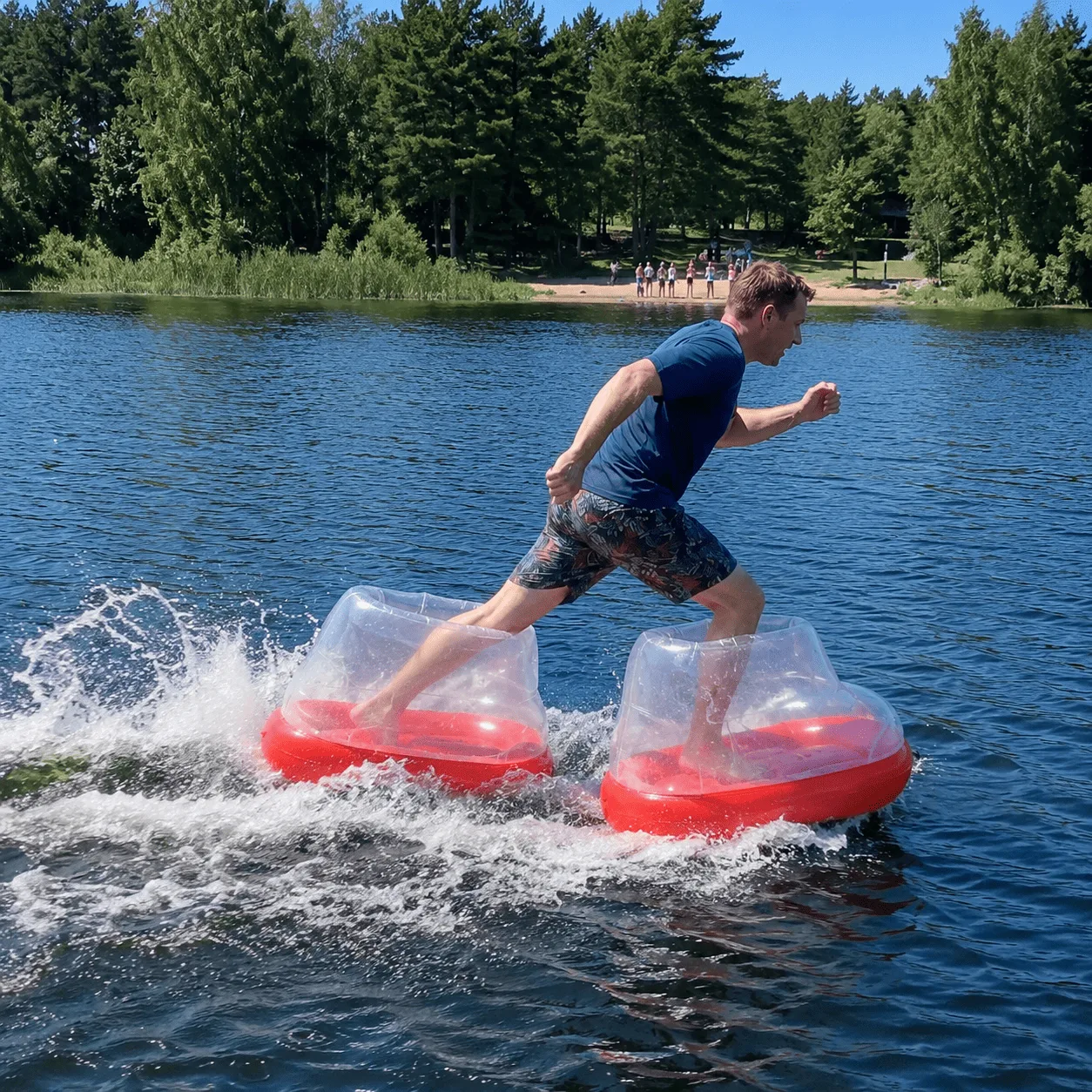
Throughout history, the footwear of choice for aquatic activities has evolved, adapting to changing technologies, materials, and consumer preferences. Inflatable Water Shoes have emerged as one of the more recent innovations in this footwear category, catering to a growing demand for comfort, versatility, and ease of travel.
The origins of inflatable footwear can be traced back to the advances in inflatable technology and the growing popularity of water sports. The evolution of materials such as thermoplastic rubber and foam polymer made it feasible to create shoes that are not only buoyant but also comfortable and durable. Early designs focused heavily on traditional water shoes, which were often bulky and lacked the versatility and appeal that modern users desired.
Transitioning towards contemporary designs, manufacturers began experimenting with more inflatable segments in the shoe structure to enhance comfort and fit. The focus shifted from mere utility to aesthetics as well, allowing inflatable water shoes to become a fashionable choice for casual beachgoers and serious adventurers alike.
The modernization of inflatable water shoes reflects ongoing shifts in consumer mindset toward lighter, packable footwear, which not only makes them desirable for vacationers but also appealing to outdoor enthusiasts seeking high-performance gear. Innovations in inflation mechanisms and user-friendly designs have paved the way for the explosive popularity of these shoes in the world of aquatic activities.
The Genesis of Inflatable Footwear
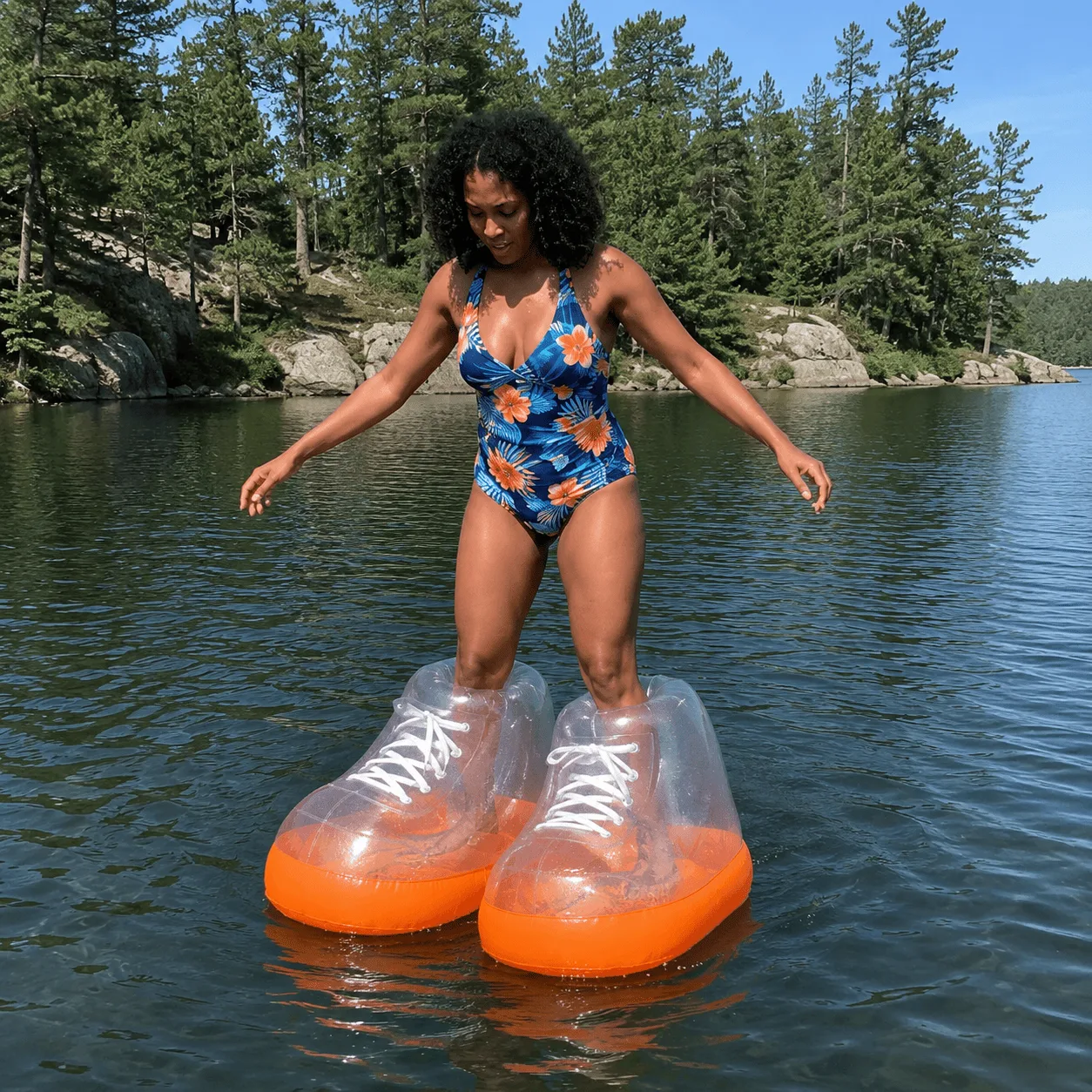
Inflatable Water Shoes have roots in a range of athletic and functional footwear concepts. Manufacturers recognized an opportunity to leverage inflatable structures found in life jackets and inflatable boats to create shoes that could float, preventing them from becoming waterlogged and heavy.
Adding air to the structure of footwear decreases weight, dramatically enhances comfort through customizable inflation levels, and significantly extends usability across different contexts. The pivotal moment in the evolution of inflatable water shoes came with the integration of advanced materials, allowing for water-resistant, durable, and comfortable designs.
As more people began engaging in water-related activities, the demand for specialized gear grew alongside advancements in material technology. The burgeoning water sports market fueled the development of functional yet stylish inflatable water shoes, leading to the modern iterations we see today.
Trends in Consumer Preferences
As the awareness of healthier lifestyles and outdoor activities emerged, the demand for versatile and practical water shoes surged. Shoppers began seeking footwear that could transition seamlessly from land to water, capable of performing in a variety of environments.
Inflatable Water Shoes stand out from traditional water shoes not only because they provide an engaging aesthetic but also because they cater to a growing consciousness for multi-functionality. Consumers want footwear that serves as a comfortable companion for beach trips, hiking, and water sports alike.
As technology in footwear continues to evolve, inflatable water shoes will likely continue to adapt to fit the diverse needs of consumers, paving the way for an exciting future in aquatic footwear.
Designing Inflatable Water Shoes
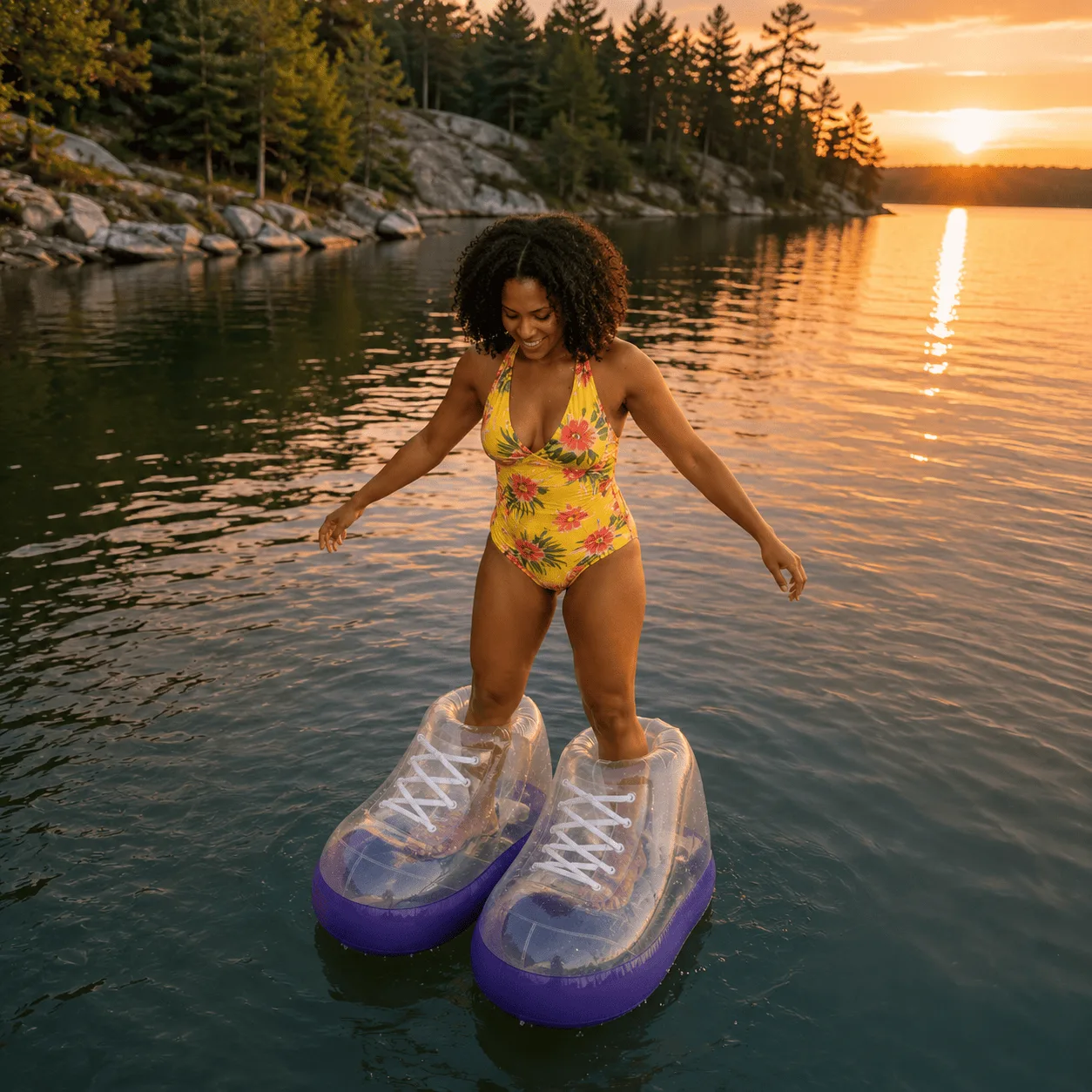
The design of inflatable water shoes is not only about external aesthetics but also about internal functionality. The integration of various materials and innovative design techniques ensures optimal performance in and out of water.
The outer layer of inflatable water shoes is typically designed using breathable, lightweight fabrics that allow for water drainage while providing protection from abrasions. Meanwhile, the inner lining incorporates comfort padding that can conform to the foot’s shape when inflated. Attention to every detail during the design process is critical, as it affects performance, comfort, and usability.
Additionally, the inflation mechanism is a crucial aspect of design that should not be overlooked. Different brands utilize varying methods for inflation and deflation; the effectiveness and convenience of these methods can significantly influence user satisfaction. That’s why a well-crafted design impacts how inflatable water shoes perform, directly linking back to their ultimate success in the market.
Functionality of Design
Inflatable Water Shoes must balance both functional and stylish elements. This requires a well-thought-out design process, ensuring that each feature serves a purpose while adding to the appeal of the shoes. The integration of air chambers into the structure allows for enhanced buoyancy, ensuring that the shoes remain light and comfortable even when immersed in water.
These air chambers are typically adjustable, providing users with customizable inflation levels that adapt to individual preferences. One of the creative insights surrounding inflatable water shoes is their potential for personalization; innovative brands are beginning to explore ways for consumers to customize their footwear further, whether through color options or adjustable comfort levels.
Moreover, the tread design is crucial to prevent slipping on wet surfaces. The outsole should be crafted from durable rubber material with a pattern providing optimal grip regardless of the environment, be it sandy shores or slippery rocks.
A Balance of Form and Function
Visual appeal plays a significant role in the design of inflatable water shoes. Modern consumers want footwear that can transition from activities at the beach to casual outings, so brands are investing in stylish designs that appeal to a broader audience.
Moreover, the versatility of color combinations, patterns, and shapes adds to their attractiveness. As consumers continue to emphasize the need for functionality without sacrificing aesthetics, manufacturers are constantly evolving designs to create inflatable water shoes that are not only practical but also pleasing to the eye.
As the trend for minimalism expands within fashion, inflatable water shoes can embody this approach by emphasizing sleek, simple designs that still maintain essential functionality, further augmenting their desirability in today’s market.
Choosing the Right Inflatable Water Shoes
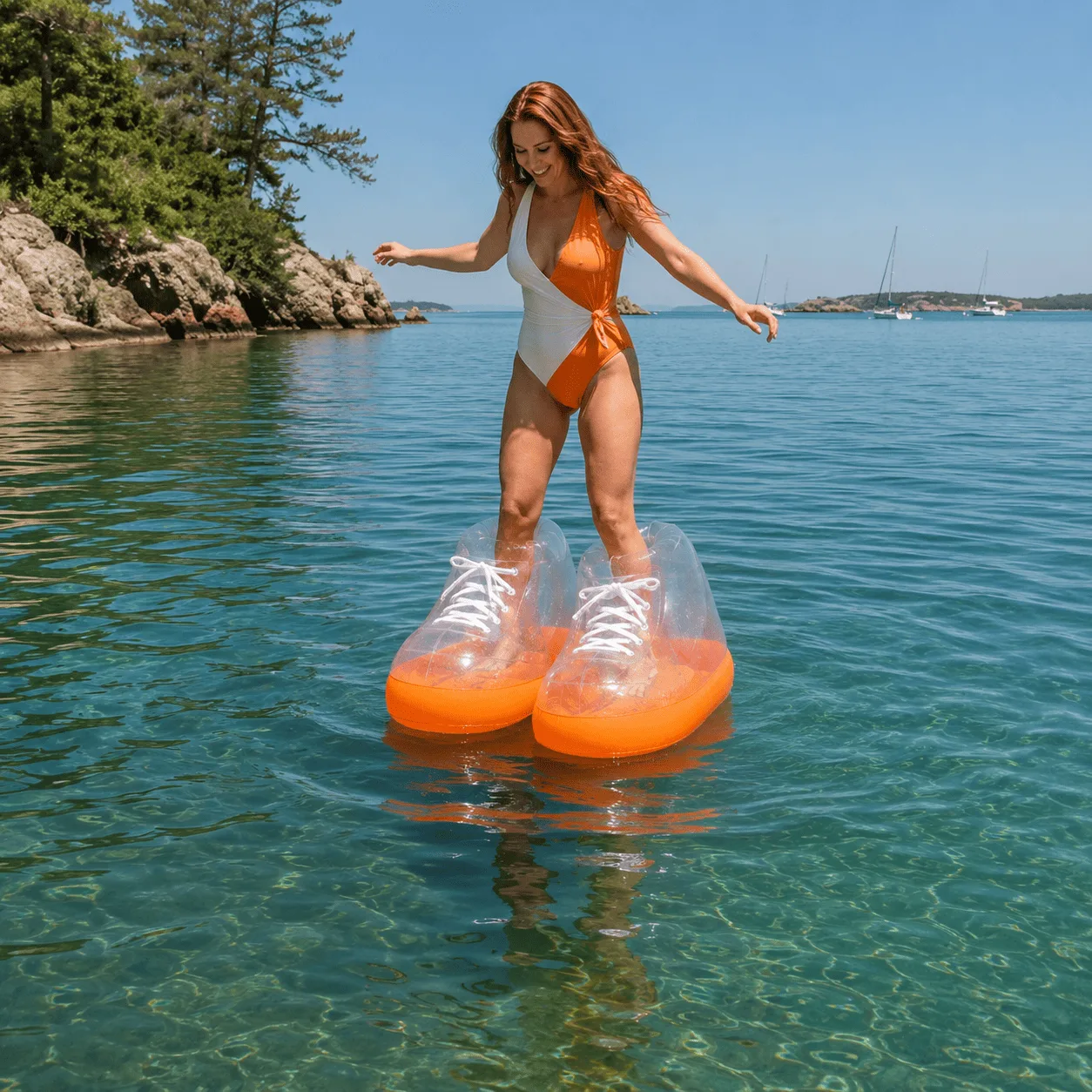
Selecting the ideal pair of inflatable water shoes can prove to be a daunting task, especially with the vast array of options available. Understanding the features that make a pair of inflatable water shoes the right choice for one’s specific needs is pivotal.
In this section, we will delve into the factors to consider while shopping for inflatable water shoes. Aligning personal preferences with functionality can enhance the satisfaction gained from this footwear, transforming an ordinary day at the beach into an extraordinary experience.
When choosing inflatable water shoes, it’s essential to focus on size, material, weight, and overall design. Each aspect plays a critical role in the overall performance, comfort level, and enjoyment of the product.
Understanding Fit and Comfort
The fit of inflatable water shoes is crucial; an ideal pair offers both support and comfort. Since the nature of these shoes allows for adjustments, users should consider their foot shape and any unique needs they may have. It’s also worthwhile to try on a few models or brands to assess how they conform to your feet when inflated.
While comfort is paramount, it is important to remember that each individual’s experience may differ. The shoe should not pinch or cause discomfort, and the inflatability should provide a custom fit that adjusts dynamics based on activities or personal preferences.
Additionally, considering the use of different socks can also enhance the overall experience, as the right sock can both increase comfort and warmth, depending on the environment. For those dipping their toes into cooler waters, investing in thicker socks may be desirable.
Evaluating Material Quality
Material quality is integral to the overall performance and durability of inflatable water shoes. The longevity of any footwear greatly depends on the materials utilized, and inflatable water shoes are no exception.
Lightweight, high-quality fabrics such as nylon or neoprene are commonly used in construction, ensuring that the shoes are waterproof and quick-drying. The right materials not only ensure comfort but also decrease drying time and enhance the overall performance in water-heavy scenarios.
Moreover, it’s also vital to consider environmental aspects; opting for eco-friendly materials may align with personal values surrounding sustainability and responsible water sports. It’s possible to merge performance and eco-consciousness when searching for the right pair of inflatable water shoes, catering to both your aquatic lifestyle and broader goals.
Identifying Came with Design Features
Looking for specific design features may greatly inform your purchase decision. Pay close attention to the inflatable mechanism; whether it be a built-in pump or an external valve, it should top the list of considerations. A well-designed inflation system should be user-friendly, ensuring that inflating and deflating is a cinch.
Another critical aspect to consider is the tread pattern on the outsole. Each brand tends to have unique designs, and the success of their performance can vary significantly. Make sure that the tread is thoughtfully designed for traction, especially for slippery surfaces commonly encountered during water activities.
Finally, seek brands that are willing to utilize technology in enhancing performance. As inflatable water shoes are still a relatively new concept, brands are continually innovating, and this creates opportunities for consumers to benefit from cutting-edge advancements.
Maintenance and Care for Inflatable Water Shoes
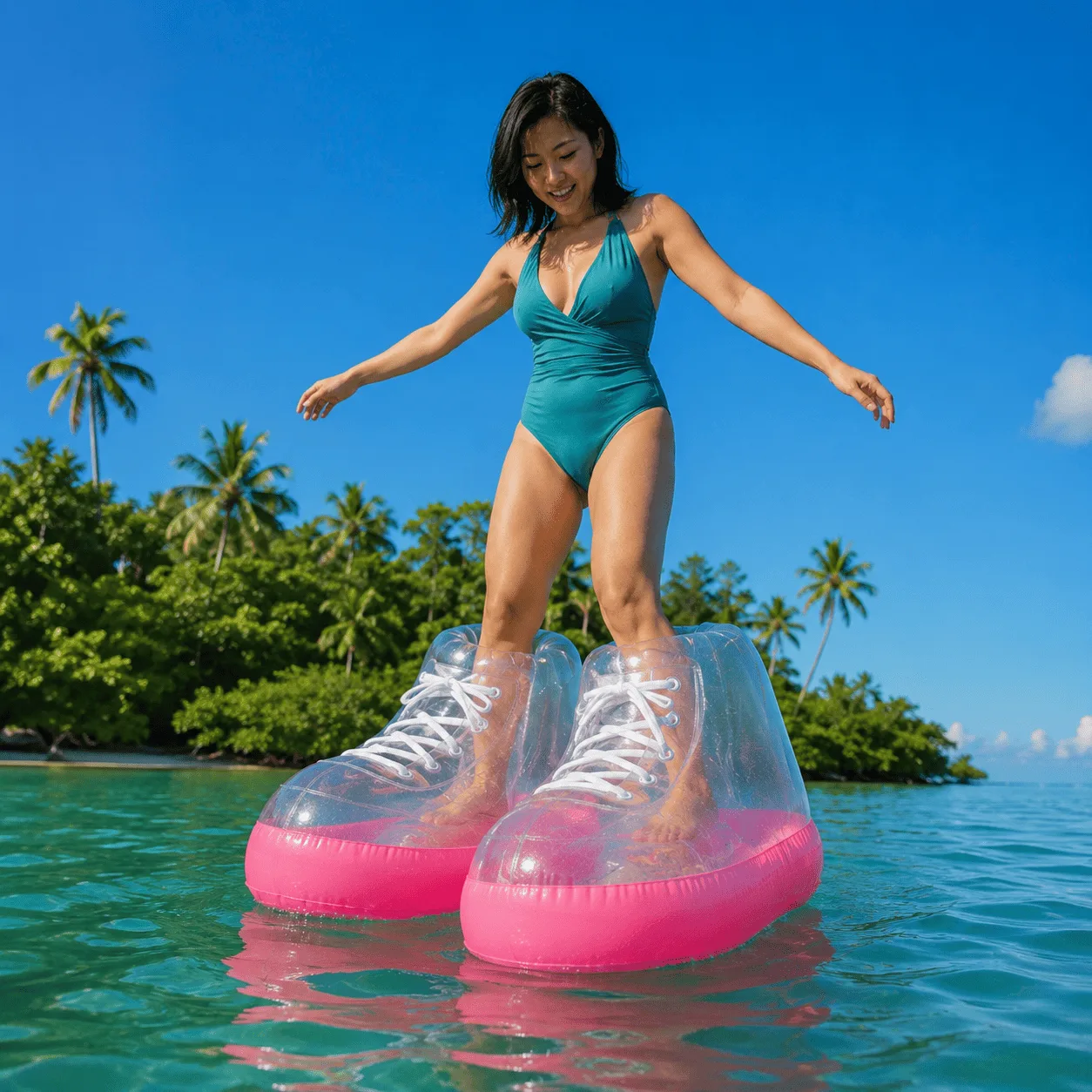
Proper maintenance and care practices can significantly extend the lifespan of inflatable water shoes. By taking care of your footwear, not only do you enhance their durability, but you also engage in eco-conscious practices and save money in the long run.
In this section, we will explore various ways to maintain inflatable water shoes, outlining the best practices to keep them in top condition.
When exploring the maintenance of your inflatable water shoes, consider aspects such as cleaning methods, storage guidelines, and inspection practices. Each of these factors contributes to the overall longevity and performance of your footwear.
Cleaning Techniques
Cleaning inflatable water shoes is essential for maintaining performance and hygiene. After a day of water activities, it’s best to rinse them with fresh water to remove salt, sand, or debris. Saltwater and sand can complicate the lifespan of both the shoe’s structural materials and contribute to discomfort during subsequent wear.
When cleaning, do not use harsh or abrasive detergents. Opt for gentle, phosphate-free soap to eliminate stains without damaging the materials. A soft, damp cloth or sponge will suffice to wipe down the inner and outer surfaces, removing any residual grime without causing harm.
Lastly, air drying is essential after washing. Avoid direct sunlight, which can cause fading or deterioration of some materials. Always ensure that your inflatable water shoes are completely dry before storing them away, as moisture can lead to mold or unpleasant odors.
Storage Recommendations
Storing inflatable water shoes properly can significantly influence their condition over time. Always ensure that they are clean and dry before putting them away for long periods.
When it comes to storage, choose a cool, dry place. Avoid leaving them in hot areas or cramped storage bins, which can cause rounds to affect their shape or structure.
Using a ventilated storage bag can help prevent mold growth and allow for essential airflow. With a little attention to how you store your inflatable water shoes, you can keep them fresh and ready for your next adventure.
Regular Inspection for Damage
Regularly inspecting inflatable water shoes for signs of damage is equally important for maintaining them in good condition. Look for any punctures, leaks, or other signs of wear and tear, particularly around the inflation mechanisms.
If you spot an issue, address it immediately, as this can save you from more extensive repairs later on. It’s often easy to use a patch kit for small punctures, allowing you to continue enjoying your shoes without rushing for replacements.
In summary, by committing to regular checkups, cleaning, and proper storage, you extend the life of your inflatable water shoes, maximize your investment, and ensure that they perform to their best capacity.
Conclusion
Inflatable Water Shoes offer a dynamic blend of comfort, functionality, and style, making them an undeniable choice for water lovers. As they continue to evolve and reflect changing consumer needs, understanding their history, design, selection, and maintenance becomes essential for enthusiasts. With an informed approach towards your inflatable water shoes, you will not only enjoy your aquatic adventures fully but also positively impact the sustainability of your adventures, making every splash a refreshing step toward enjoyment.