
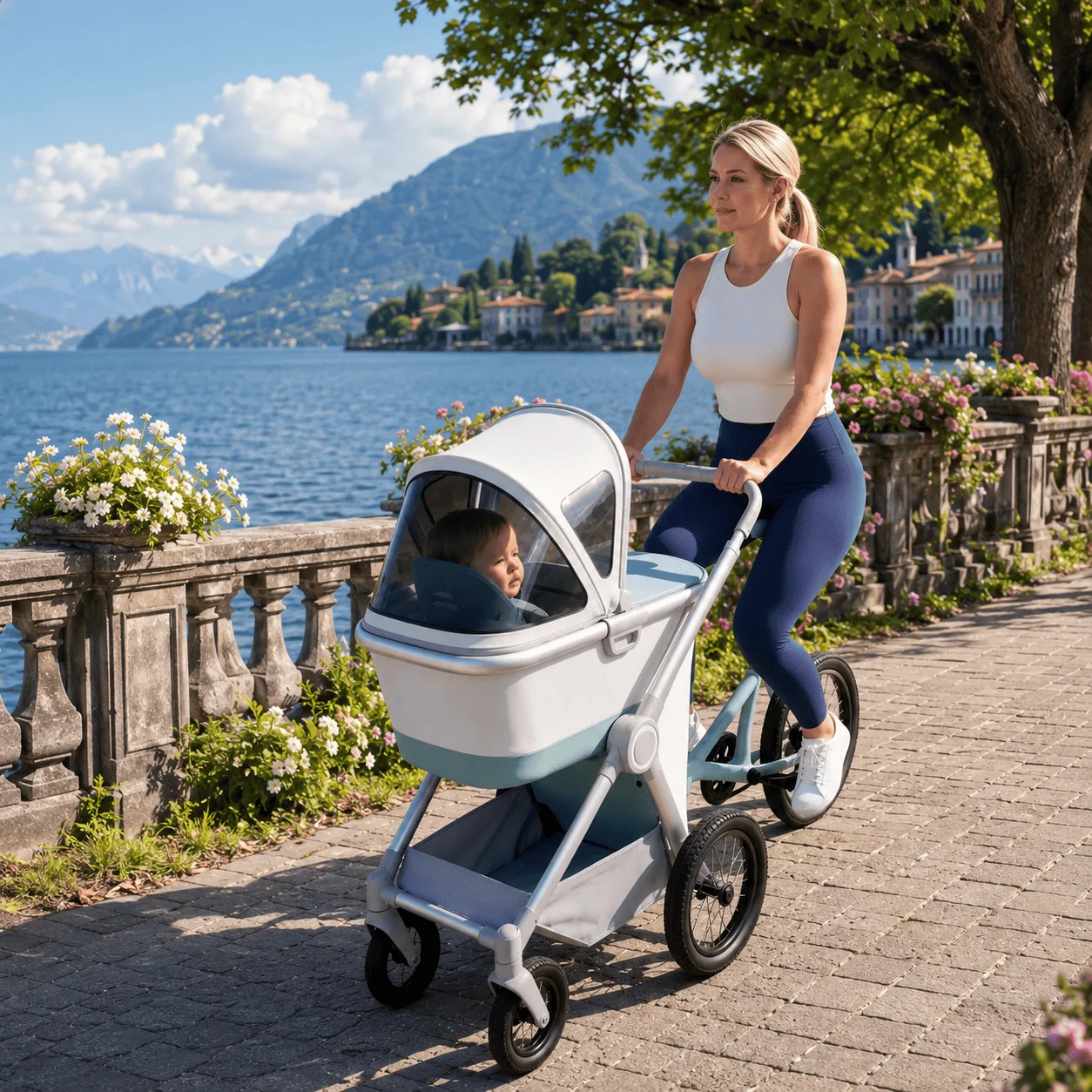
Converting Bicycle Stroller: For many parents, the bicycle stroller is a lifesaver. It allows an opportunity to engage in outdoor activities while providing a safe and comfortable way to take the child along. However, as lifestyle and needs change, there may come a time when you might consider converting your bicycle stroller to better suit your requirements. This guide will delve into all the necessary steps, insights, and recommendations for successfully converting your bicycle stroller.
Understanding the Basics of Bicycle Strollers
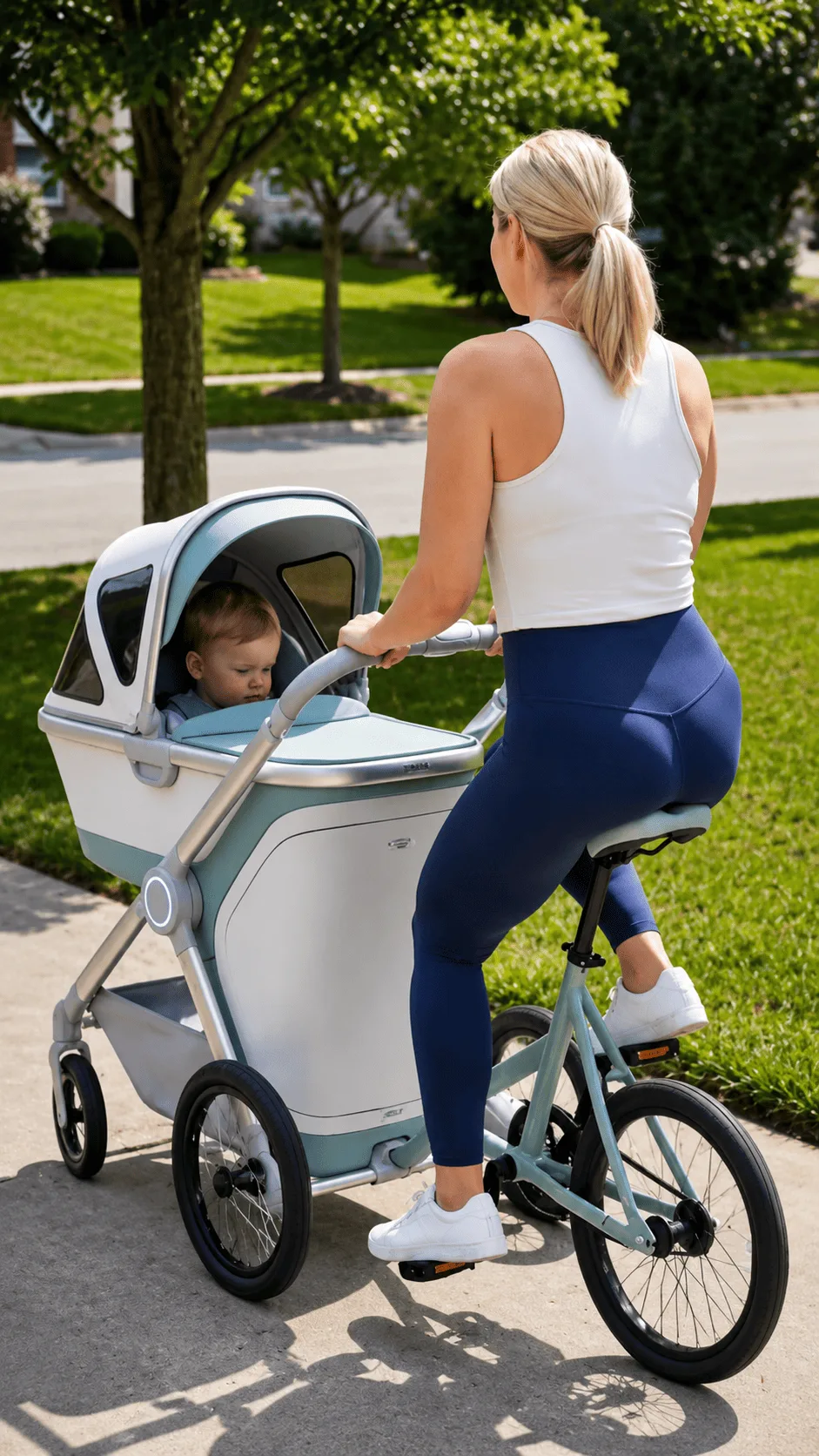
Before embarking on the conversion journey of your bicycle stroller, it’s paramount to have a clear understanding of its mechanics, safety features, and overall utility. Many parents may not realize just how versatile these strollers can be, and knowing their fundamental design will help in making informed decisions during the conversion process.
Types of Bicycle Strollers
Bicycle strollers come in several varieties, and knowing your options will guide you when thinking about conversion.
Certain designs are primarily suited for jogging, which often have a more rugged build and can handle rough terrains. Others are specifically built for smooth rides on paved roads, focusing on lightweight materials and easier steering.
Additionally, some strollers even allow transformations into a double stroller for multiple children. Understanding these types will guide your choices and adaptations during the conversion.
Anatomy of a Bicycle Stroller
Understanding the anatomy of your bicycle stroller is essential for any modifications. The critical components consist of wheels, frame, safety harness, canopy, and, of course, the hitch attachment to your bicycle.
These parts serve a fundamental purpose in ensuring safety and performance. For instance, the wheels’ size and tread design greatly affect traction and maneuverability. Knowing how each piece contributes allows for more strategic consideration when converting your bicycle stroller.
Safety Standards and Regulations
When considering converting your bicycle stroller, one must not overlook safety standards. Regulations exist primarily to ensure the safety of your child while using the stroller on different terrains.
Familiarizing yourself with the necessary safety measures, such as proper harnessing, weight limits, and maintenance advice will add an extra layer of assurance during and after your conversion process. It’s always advisable to check whether your chosen modifications comply with local standards.
The Conversion Process
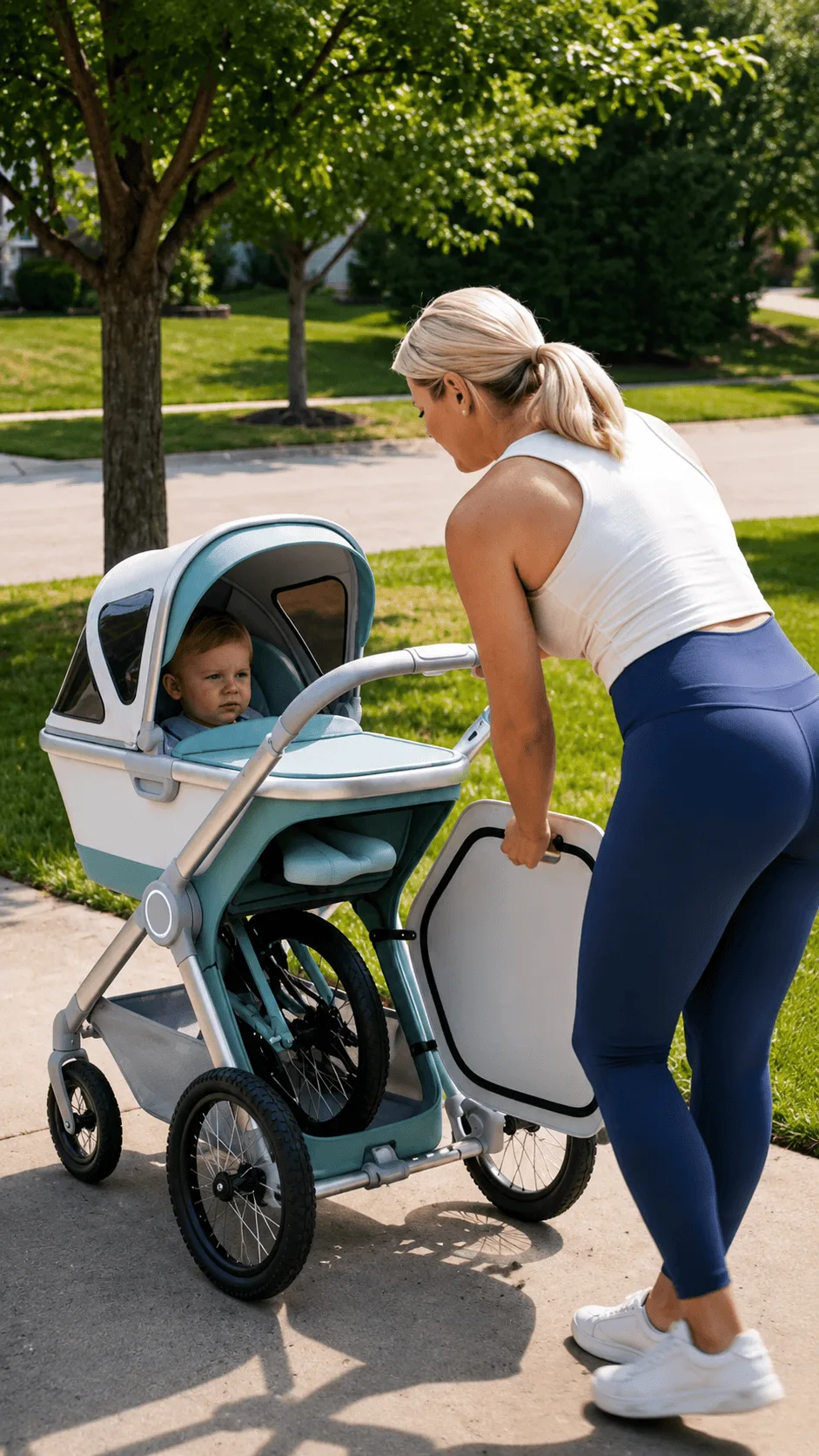
Now that you have a working understanding of what constitutes a bicycle stroller and its safety standards, we can delve into the actual conversion process. Whether you’re looking to adjust the stroller’s frame or switch features, there’s a broad spectrum of possibilities.
Equipment and Tools Required
When embarking on a conversion project, having the right tools can make all the difference. Key pieces of equipment include adjustable wrenches, screwdrivers, and possibly a socket set, depending on how extensive your changes are.
Having a well-lit work area is crucial as well as access to repair manuals or online videos that can provide additional guidance. Investing in a good quality repair manual suited specifically for your stroller model will facilitate a smoother transition.
Step-by-Step Conversion
Once you have gathered all the necessary tools and equipment, begin the actual conversion process.
Start by disassembling the parts you wish to modify, whether it is the seat, canopy, or frame itself. Be sure to work systematically and take mental notes or photographs to ensure reassembly is straightforward.
Once modifications are complete, it’s crucial to re-check every part for secure installation. Safety checks at every phase will guarantee that your child’s new riding experience will be both comfortable and safe.
Testing and Fine-tuning
After converting your stroller, the next step is testing and fine-tuning. Take your bicycle stroller for a short ride in an open area free from obstacles.
Pay attention to how well it maneuvers—check brakes, wheels, and harnesses to ensure everything is functioning correctly. Fine-tuning might be necessary to achieve optimal performance. This stage can make a world of difference in the comfort and enjoyment of both parent and child.
Personalizing Your Bicycle Stroller
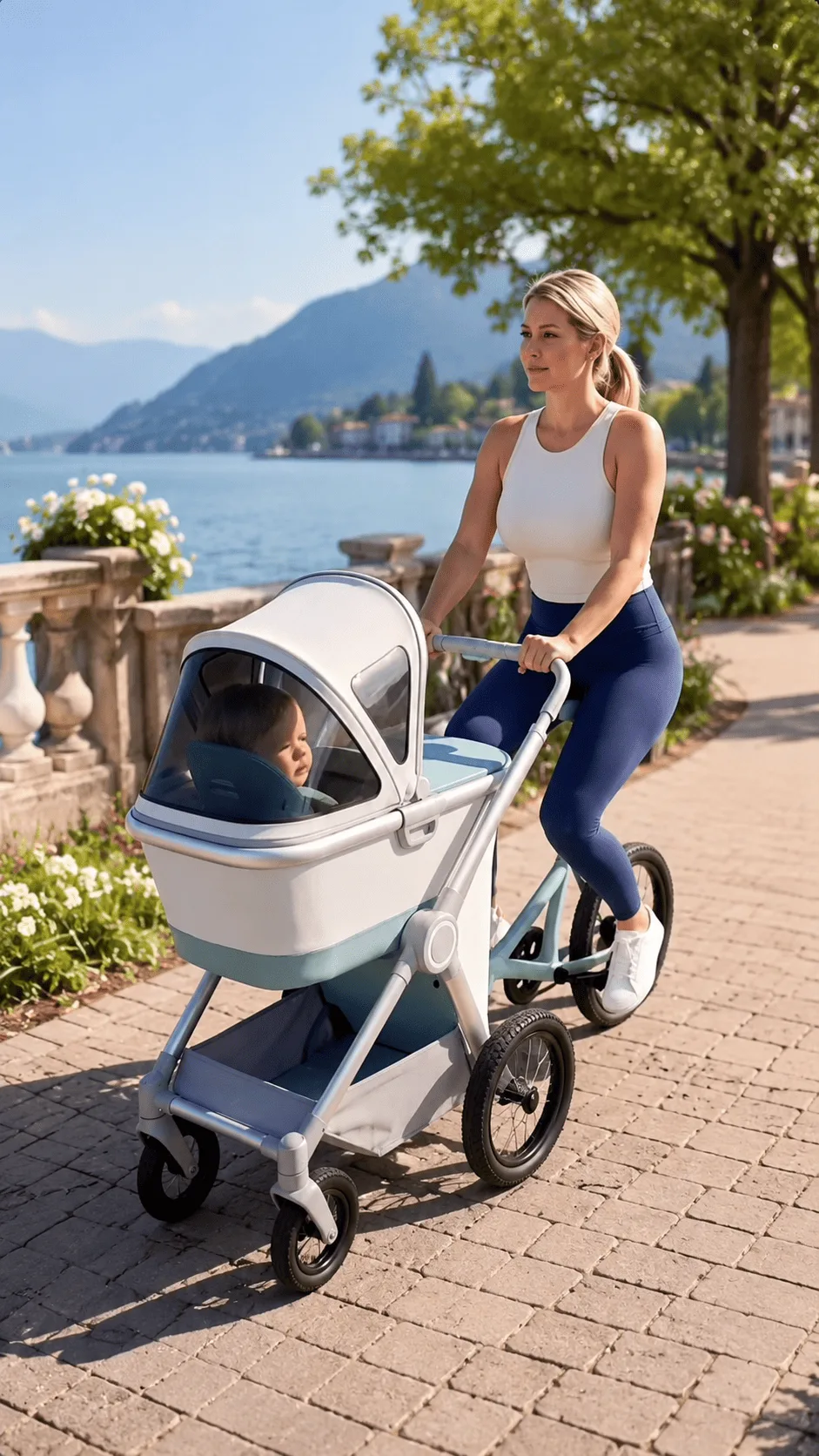
No two families are the same, and your bicycle stroller should ideally reflect that individuality. Converting your bicycle stroller is not just about functionality; it’s also about tailoring it to fit your personal needs and style.
Accessories to Consider
When thinking about how to personalize your bicycle stroller, there are numerous accessories you can consider. These can range from cup holders, storage compartments, or adaptable canopies for sun protection.
Adding removable cushions or adjusting seating for better comfort can also make your stroller experience far more enjoyable. Manufacturers often provide brackets to add these components, making it easier to switch things up as you see fit.
Color and Design Customization
Another exciting avenue for personalization is color and design. Perhaps you have a strong preference for specific colors or patterns that resonate with your family’s style.
You can paint or use decals on certain parts of your stroller. Fabrics can also be reupholstered for enhanced aesthetics. Customizing your bicycle stroller makes it feel more unique and personalized, not to mention helping you stand out during those exhilarating rides.
Functionality Enhancements
Beyond aesthetics, you may seek to enhance the functionality of your bicycle stroller. For example, maybe you want to ensure that it can handle off-road conditions or rugged terrains.
Consider upgrading the wheels or suspension system. If you often ride with performance parts in mind, researching after-market upgrades could make a substantial difference in the overall experience.
Maintenance and Care Tips
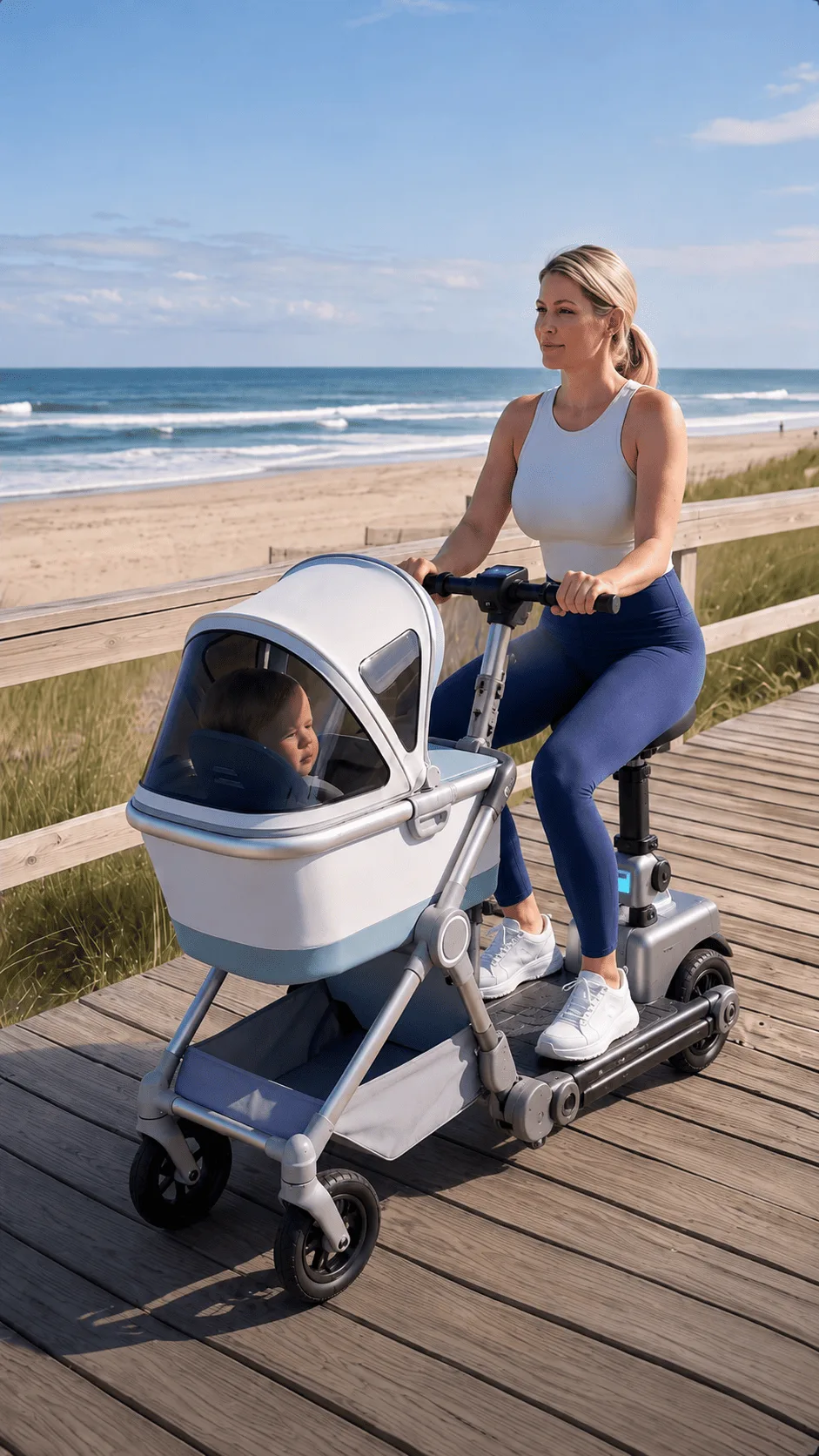
Once your bicycle stroller conversion is complete and the personalization finalized, understanding proper care is vital for ensuring its longevity.
Regular maintenance will allow you to enjoy all modifications for years to come while keeping safety paramount.
Routine Checks
Scheduling routine checks can help in identifying potential problems before they escalate.
This should include inspecting wheels for any wear and tear, ensuring brakes work effectively, and checking the security of various components. Consistency is key, and marking these checks in your calendar will cultivate a sense of responsibility.
Cleaning Procedures
Keeping your bicycle stroller clean is equally important and will prolong its life.
Natural elements like dirt, mud, and spills can create long-term issues if not attended to. Regularly wiping the surface with a damp cloth and using mild soap can keep the stroller looking brand new. Pay careful attention to any crevices where debris might accumulate.
Seasonal Considerations
The changing seasons can pose different challenges and require special attention to your converted bicycle stroller.
During the winter months, salt and grime can accumulate. Make sure to flush these residues away, while summer can bring about sun damage. Using UV-resistant coatings or sunshades will automatically prevent premature fading or deterioration.
Conclusion
In conclusion, converting your bicycle stroller can be a rewarding project that combines functionality with personal flair. By understanding the basics, carefully undertaking the conversion process, personalizing it to your liking, and maintaining the stroller, you’ll create a safe and comfortable environment for your child while enjoying outdoor activities. With proper planning and care, your converted bicycle stroller can serve as a trustworthy companion on all your family adventures, offering both joy and convenience.